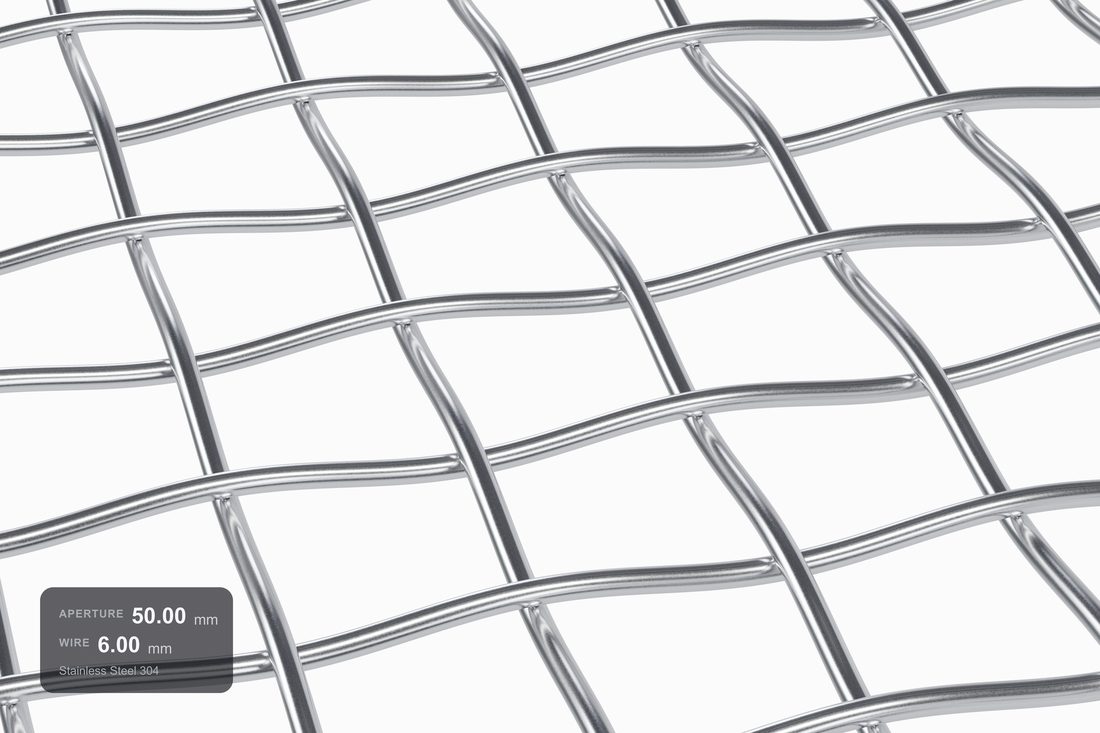
Catalogue imagery for woven wire mesh

Your whole mesh range, photographed to the datasheet.

GGfx generates photoreal catalogue images from your published specifications: aperture, wire diameter, material. Every grade in your range gets the same studio treatment, labelled in your customer's language, and every dimension in the picture matches your spec table.

No cost, no obligation for the sample. Reply with aperture, wire and material, and see your own product rendered.

Photoreal woven wire mesh render, 200 mesh stainless steel, spec overlay
The full treatment

Five images per SKU, one consistent system.

Each grade gets a complete set: a macro hero, a true-scale ruler shot, the supply form, a dimensioned technical view and a magnified detail. Built once, the same treatment repeats across your entire catalogue, from the finest filter cloth to the heaviest screen, so your range finally reads as one product family.

Complete five-image catalogue set for one wire mesh SKU
HeroThe product macro. The weave, the material, the light.
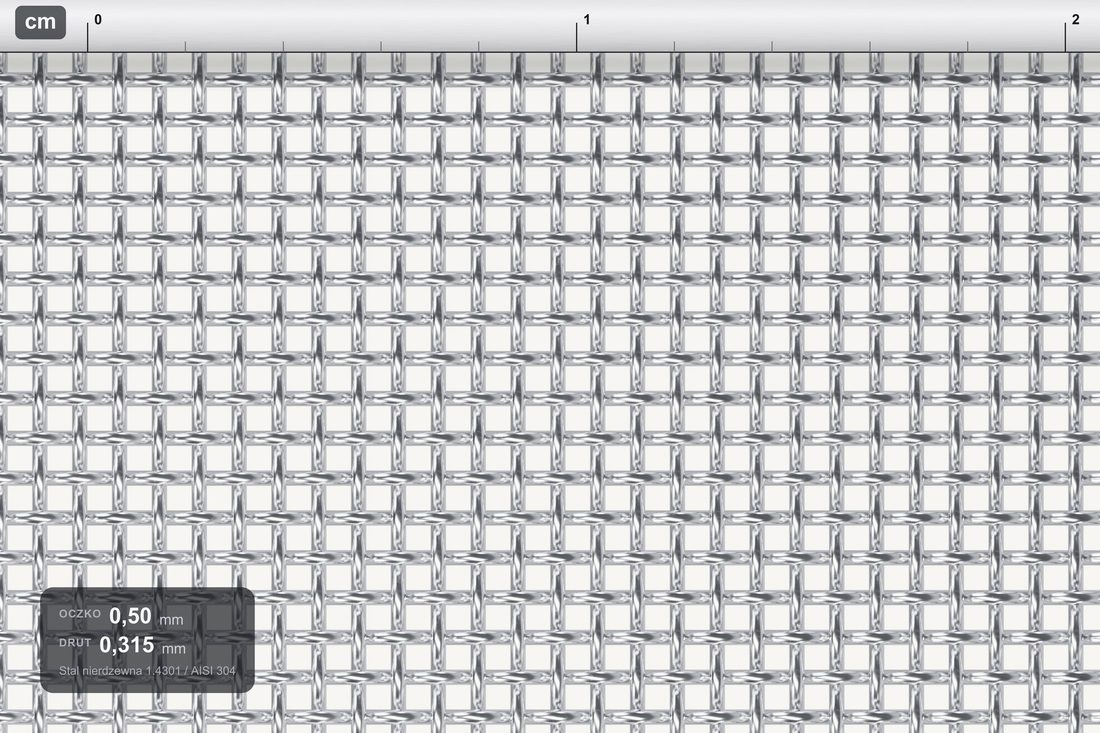
ScaleA calibrated ruler over the mesh. True size at a glance.
FormRoll or flat panel, whichever your product actually ships as.
DimensionedAperture and wire measured on the image, wire to wire.
LoupeA magnified detail with its own scale bar.
Accuracy first

Made for spec buyers, so the numbers are the picture.

Your customers buy by aperture and wire diameter. These images are generated from those numbers, not painted to look like them: the geometry in the frame is your published spec, dimension lines are measured wire to wire, and magnified views carry their own scale bars. If you check the image with a ruler, it agrees with your datasheet.
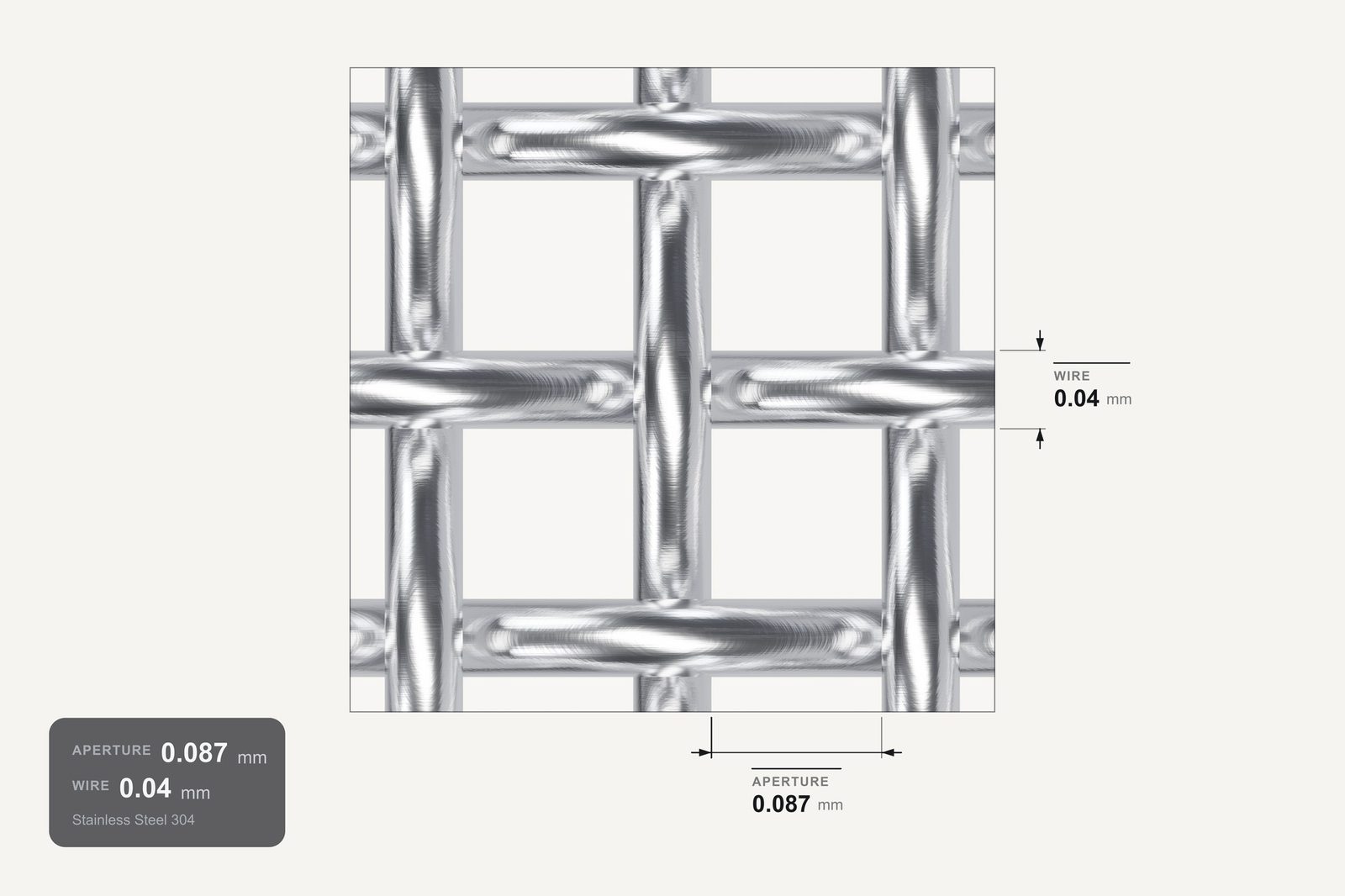
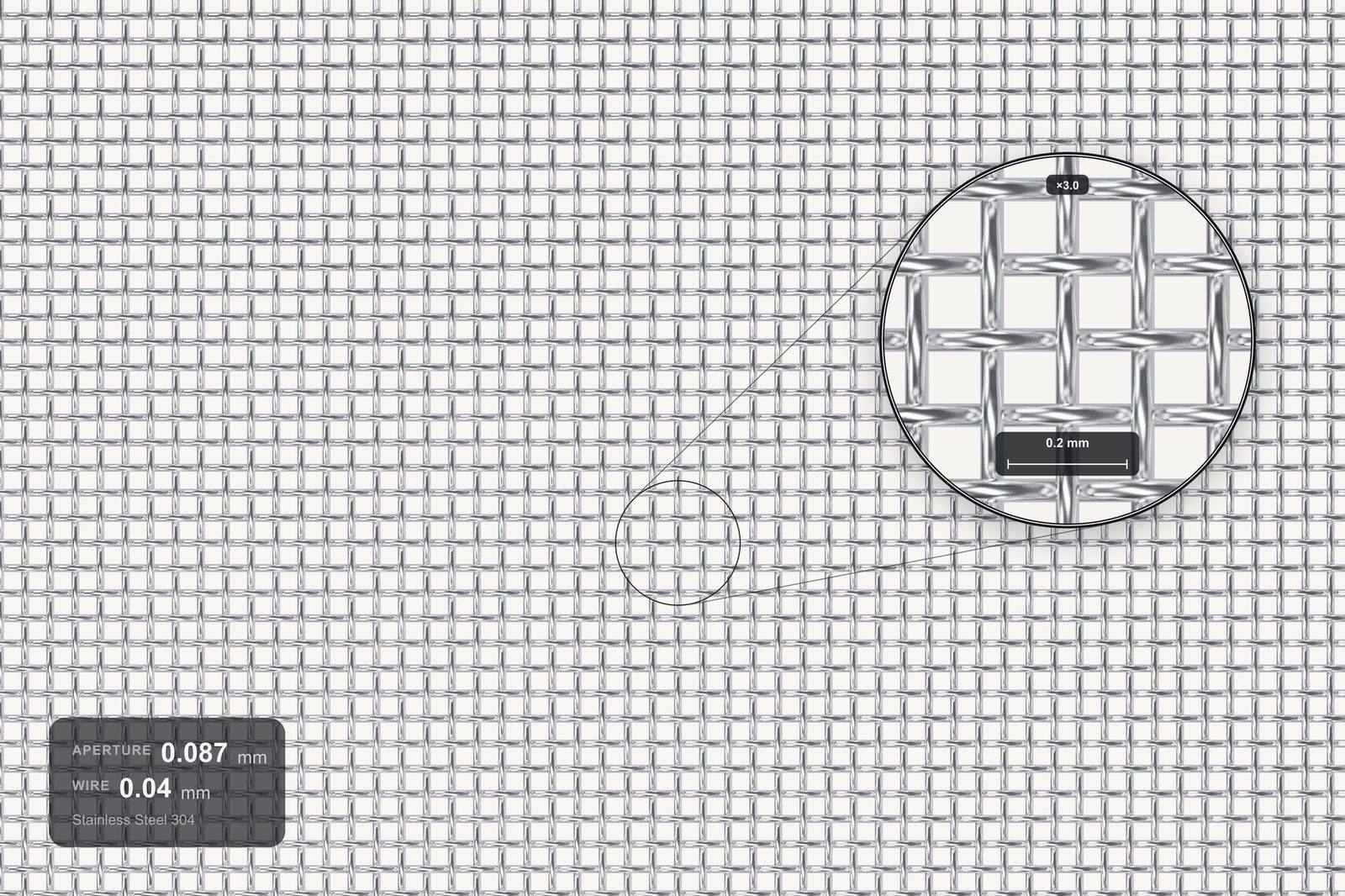
Dimensioned wire mesh view with measured aperture and wire callouts
Dimensioned view. Aperture and wire called out exactly where they are measured.
Loupe magnification of fine wire mesh with scale bar
Loupe view. Magnification with a scale bar, source region marked on the mesh.
The whole range

From 0.03 mm filter cloth to 50 mm screens.

One look across three orders of magnitude. Fine grades stop reading as flat grey swatches, coarse grades stop looking like a different product line, and every SKU in between stays visually comparable.
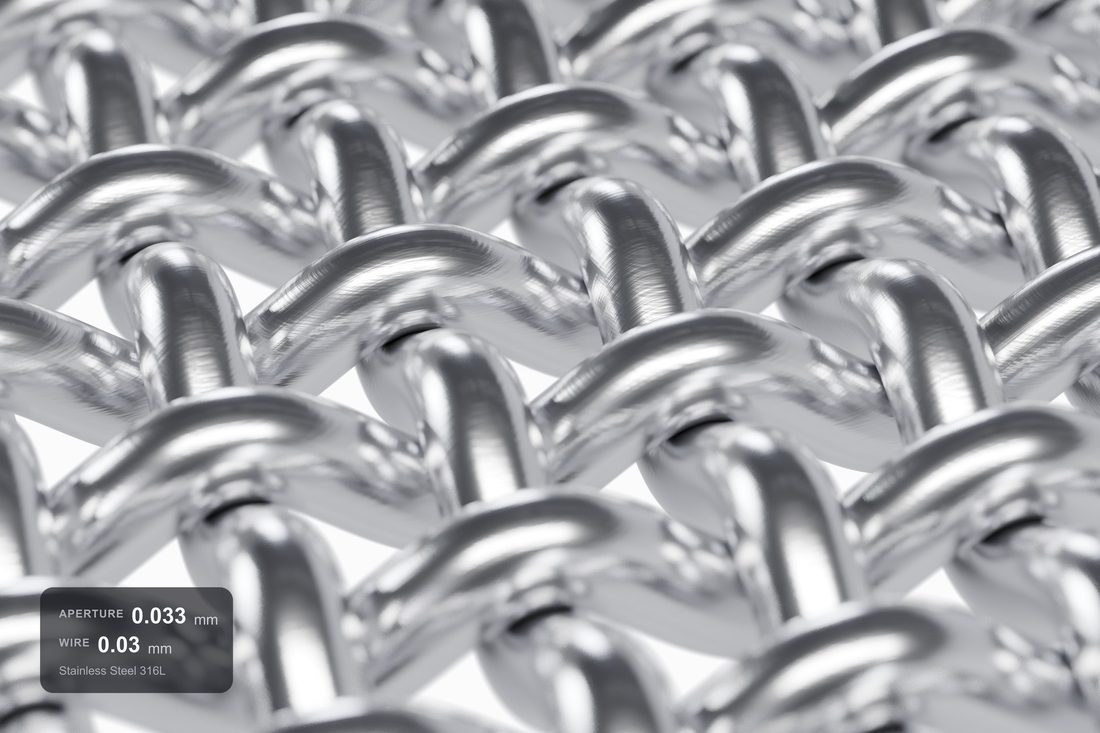
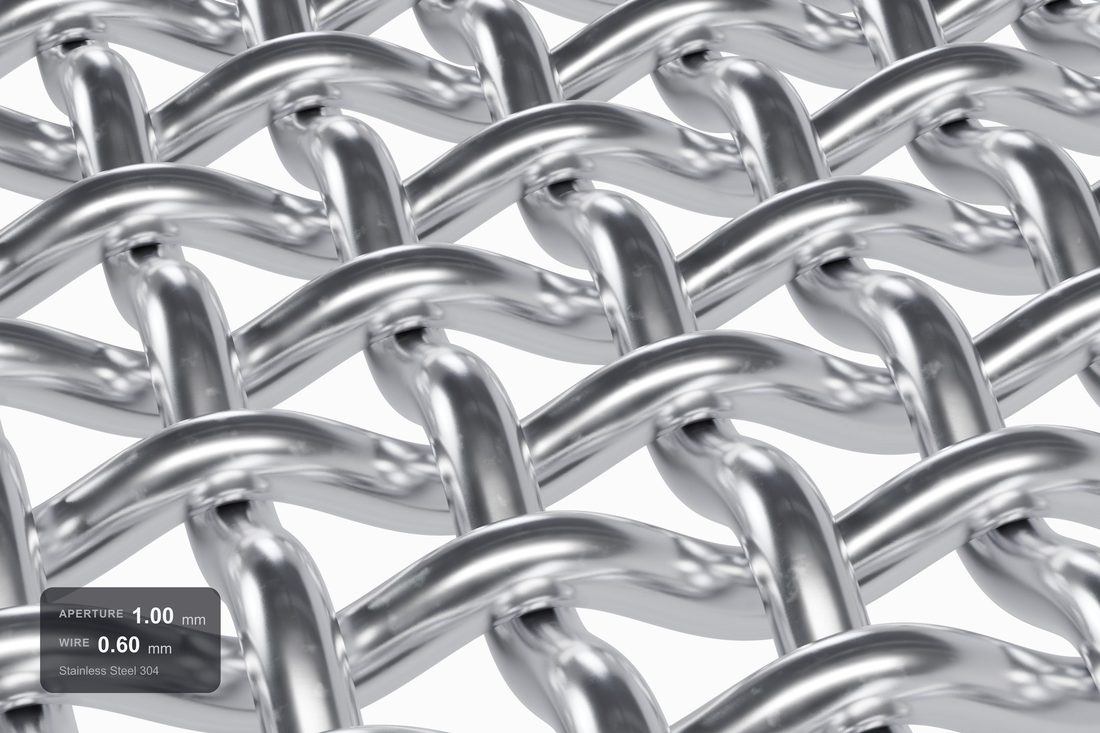
Fine filter mesh 0.033 mm render
Fine. 0.033 mm aperture filter cloth.
Medium woven wire mesh 1 mm render
Medium. 1.00 mm woven wire cloth.
Coarse screen mesh 50 mm render
Coarse. 50 mm square screen.
Localization built in

Labelled in your customer's language.

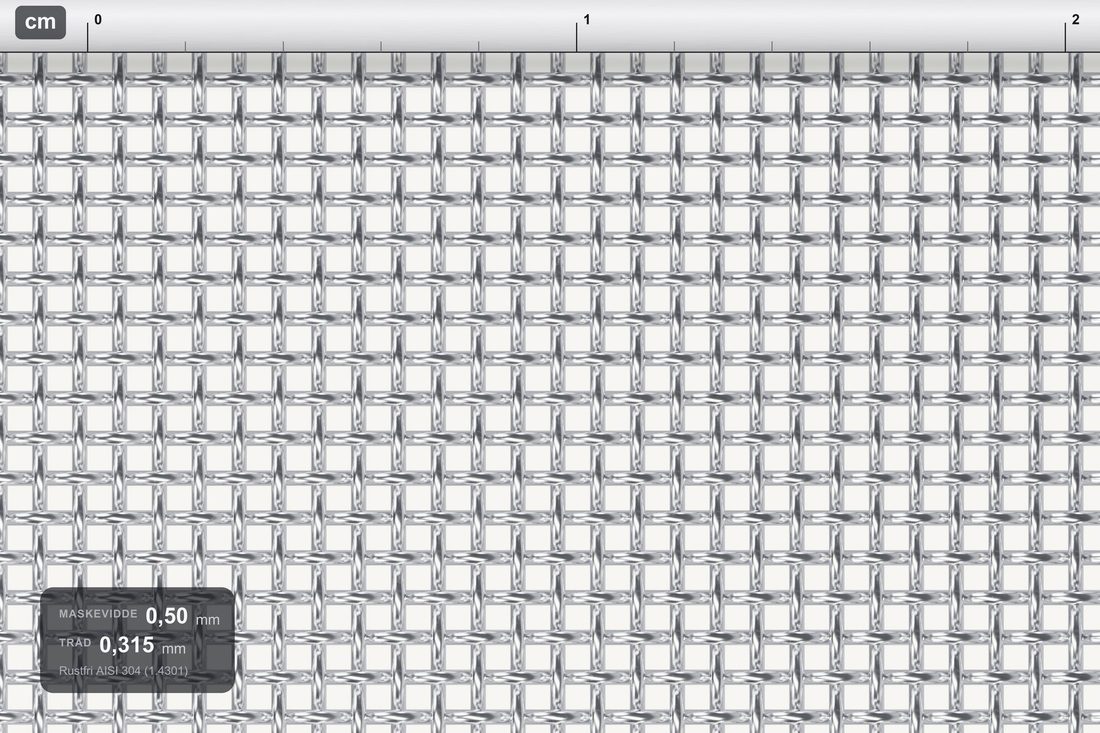
Spec overlays, units and decimal conventions follow the market you sell to. Below is the SAME 0.50 mm SKU labelled for four markets: Maskvidd/Tråd, Maschenweite/Draht, Oczko/Drut, Maskevidde/Tråd. One render, native catalogue everywhere.
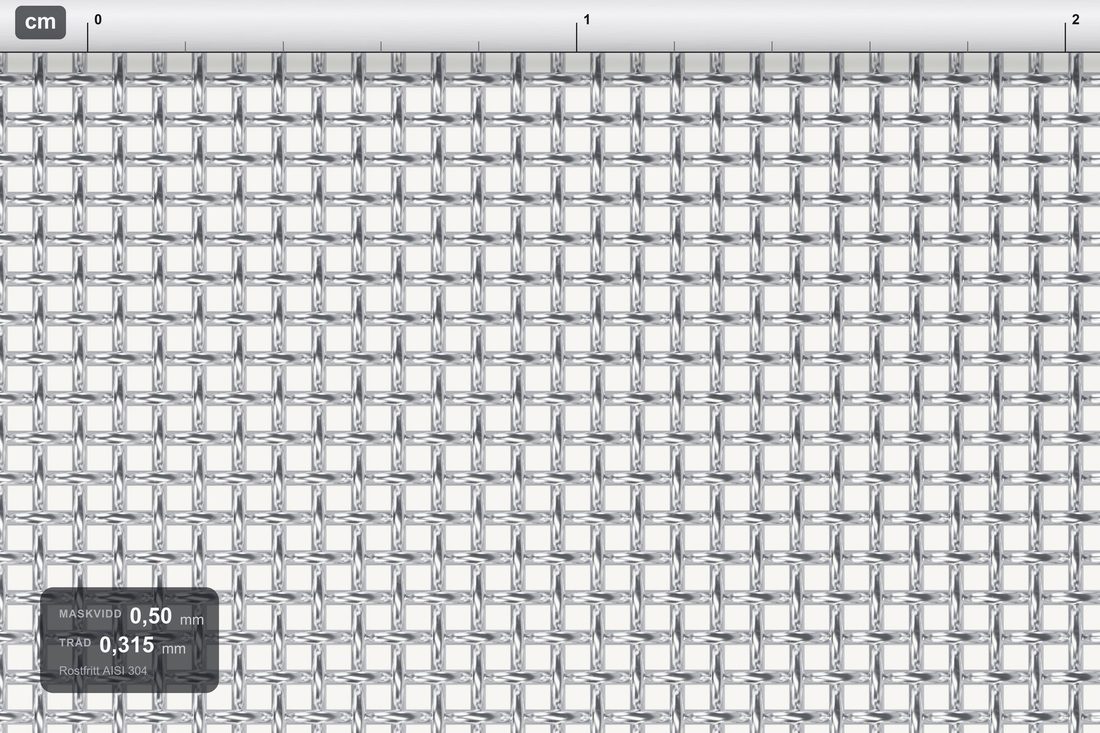
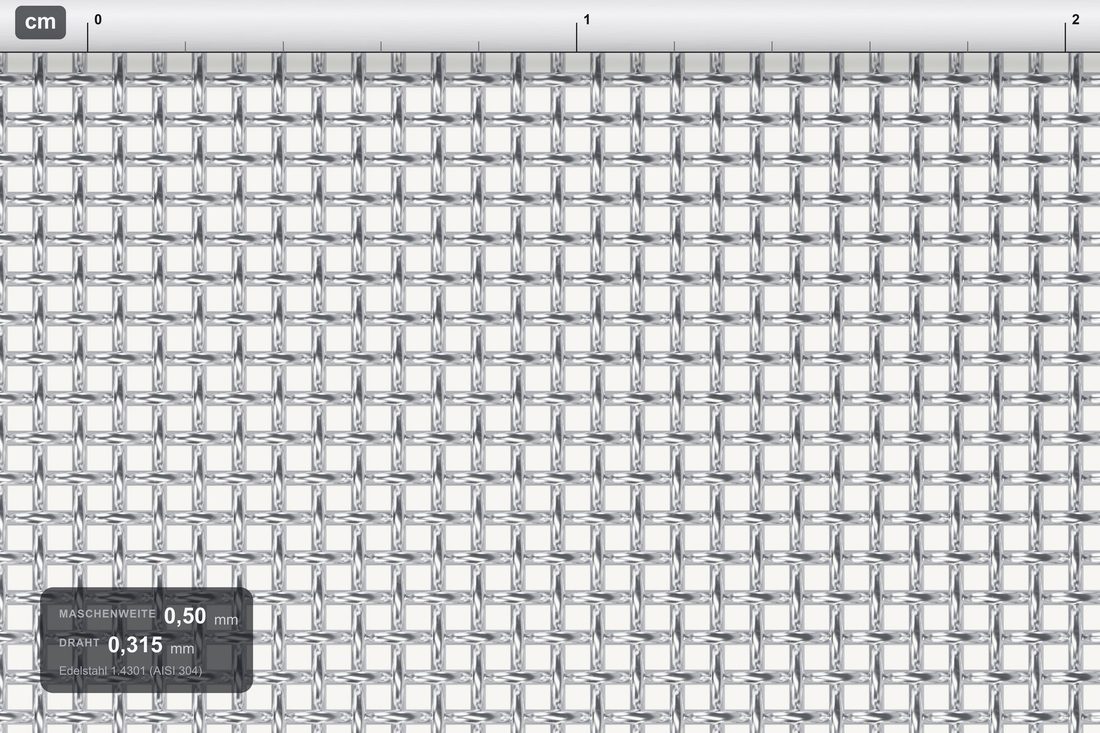
Wire mesh scale image with Swedish labels
SVSwedish
Wire mesh scale image with German labels
DEGerman
Wire mesh scale image with Polish labels
PLPolish
Wire mesh scale image with Danish labels
DADanish
How it works

From spec table to finished catalogue.

01Send your specs

Your published spec table, or even a single SKU: aperture, wire, material. That is all the input needed.

02We lock your look

Materials, language, units and labelling set once for your brand, then verified against your data before anything ships.

03Your range, rendered

Every grade gets the full image set in the same locked style. New SKUs later drop into the same system.

Why it holds up

Parametric 3D. Not generative AI.

Every image is built in a deterministic 3D system where your numbers drive the geometry. Nothing is imagined by a model: the weave, the wire diameter and the opening in the frame are constructed from your specification and can be verified against it. That is why the imagery is safe to put in front of engineers and purchasers.

Your spec data stays yours. It is used only to produce your images, never reused for another client.